27 November 2026
The Plenary
First, see the big picture. Then choose where you want to go deeper.
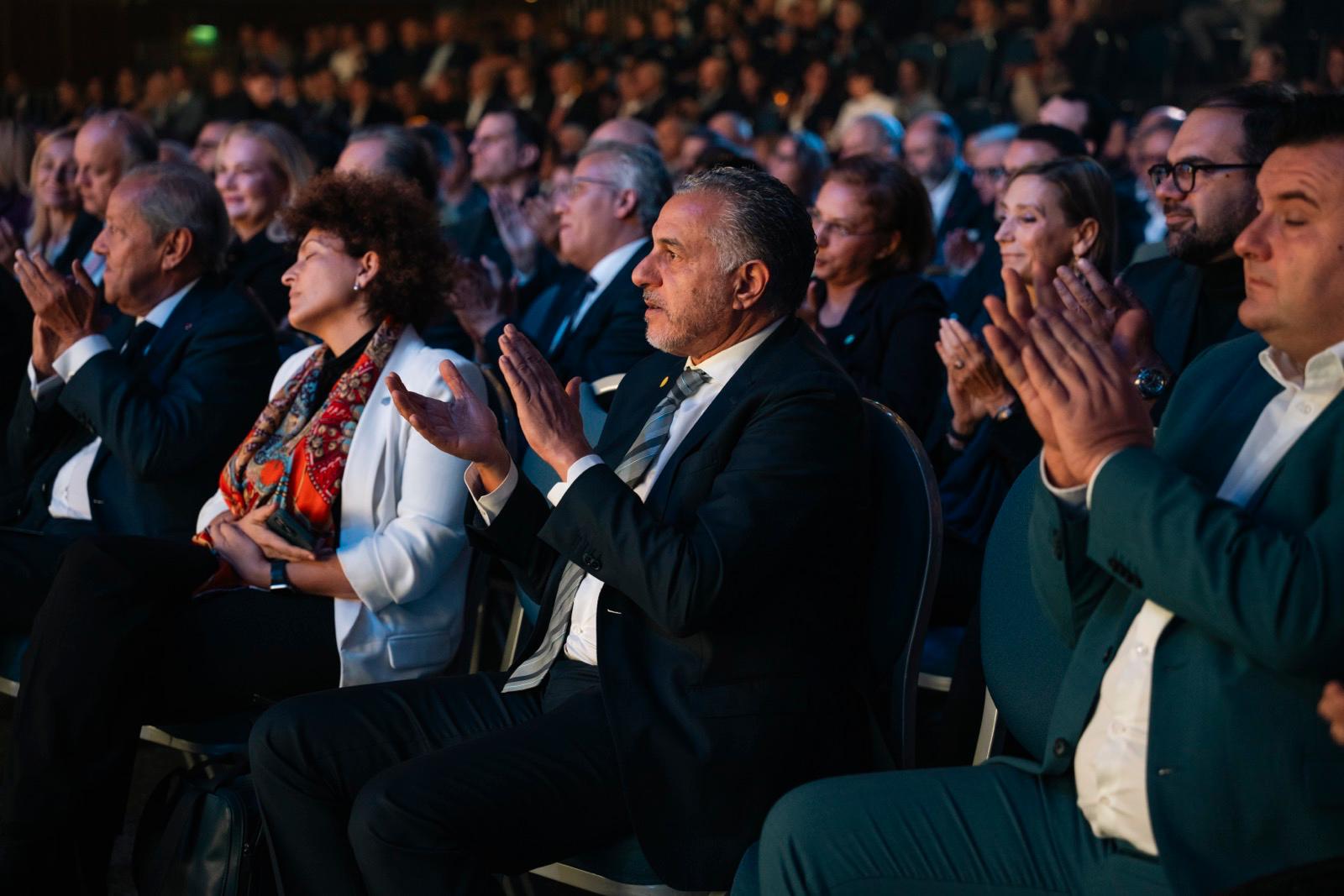
The Forum brings together tourism leaders, entrepreneurs, investors, hoteliers, policymakers, researchers and innovators to hear from some of the best brains from the Mediterranean and around the world — focused firmly on what comes next. From lifestyle and investment to AI, talent, resilience, sustainability and new business models, the Plenary delivers the bigger picture: see what's coming, understand what it means and be ready to act.
In the afternoon, the Forum transforms into four specialist conferences. Every delegate chooses the conversation most relevant to their business, profession or destination.
Afternoon · Choose one
Four conferences. Four futures to explore. Choose yours.
01
Investing in the Lifestyle Tourism Boom
Designing Hotels, Beautiful Cities and Authentic Experiences to Attract Higher-Spending Travellers and Unlock New Investment Opportunities
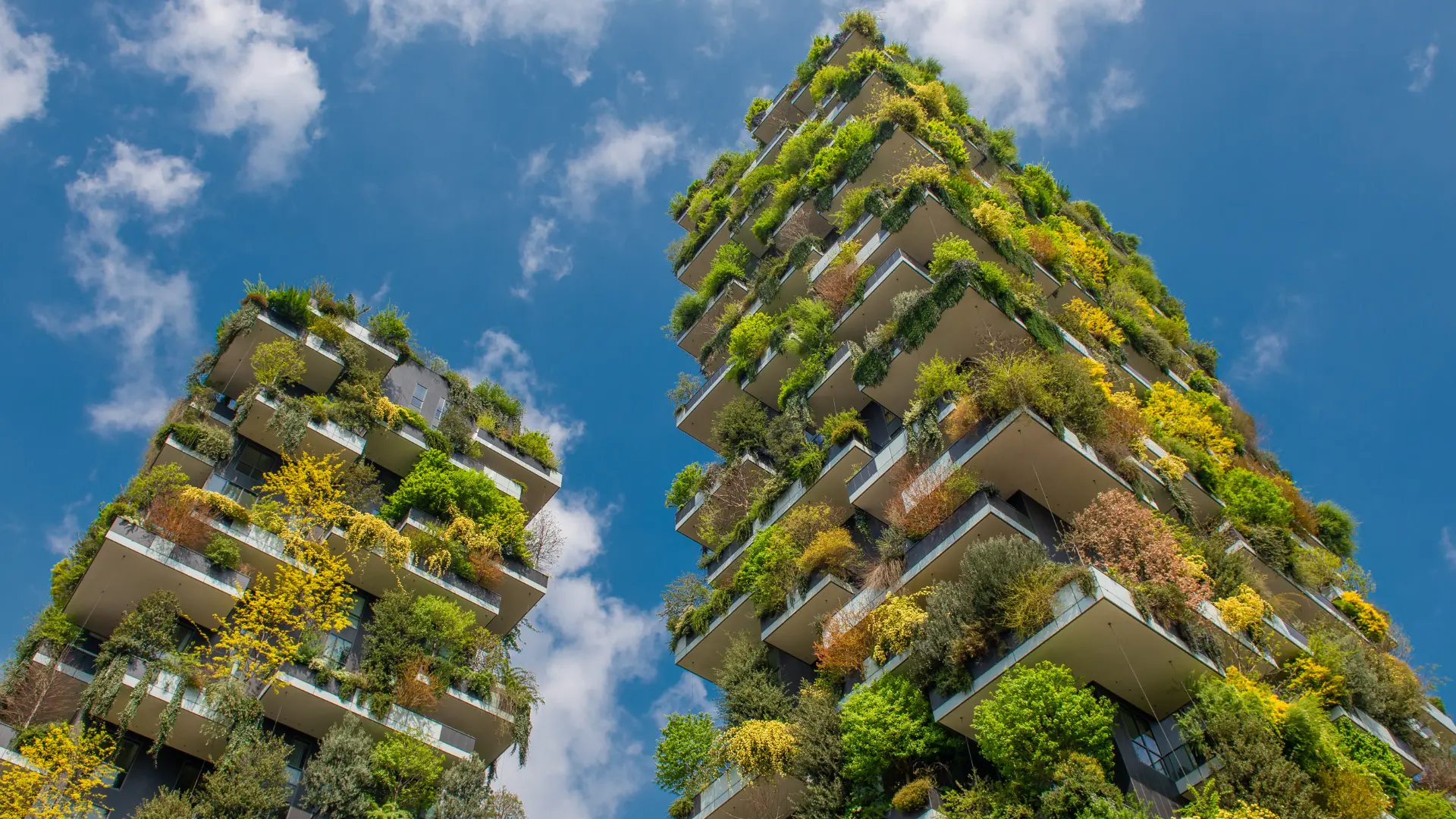
Lifestyle tourism is changing what people travel for, how they experience destinations and where they choose to spend. The higher-spending traveller is redefining luxury through design, authenticity, art, gastronomy, wellbeing, culture and genuine local experiences.
Lifestyle tourism is changing what people travel for, how they experience destinations and where they choose to spend.
The higher-spending traveller is redefining luxury. Quality accommodation and service remain essential, but value is increasingly found in design, authenticity, art, gastronomy, wellbeing, culture and genuine local experiences. The lifestyle traveller is not simply choosing a hotel; they are choosing a place, a way of experiencing it and the lifestyle that comes with it.
This means that the destination itself becomes part of the tourism product.
A beautifully designed hotel cannot exist in isolation from the city around it. The experience begins at the airport or cruise port and continues through hotels, restaurants, marinas, waterfronts, streets, squares, cultural spaces and neighbourhoods. Beautiful interiors and beautiful outdoor environments must work together as one coherent destination experience.
This is driving design innovation across the tourism ecosystem. Hotels are becoming lifestyle and social hubs. Restaurants are expressions of culture and place. Airports and cruise ports are gateways to destination identity. Marinas and waterfronts are evolving into lifestyle districts. Heritage assets are being reimagined, while architecture, art, landscape, brands and public spaces increasingly influence how a destination is experienced and remembered.
For architects, designers, planners, policymakers and planning authorities, the challenge extends beyond individual buildings. It is about creating beautiful, liveable and distinctive cities that attract the type of tourism they want while remaining places in which people want to live.
For investors, developers, hospitality operators and brands, the same transformation is opening new opportunities across lifestyle hotels, restaurants, mixed-use developments, waterfront regeneration, marinas, branded concepts, heritage projects and experience-led destinations.
The conference connects lifestyle tourism, destination design, innovation and investment, bringing together those who shape cities and experiences with those who develop, finance, operate and invest in them.
Through international trends, market intelligence and real projects, it asks:
How do we design and invest in the places and experiences that tomorrow’s higher-spending lifestyle traveller will choose?
For: Investors • Developers • Hotel & Restaurant Owners • Architects • Urban Designers • Planning Authorities • Policymakers • Real Estate Professionals • Hospitality & Investment Advisers • Banks & Funds • Brands • Artists & Designers • Airports • Cruise Ports • Marina & Waterfront Operators • Tourism Authorities • Destination Leaders
02
TOO HOT. TOO FULL. TOO FRAGILE?
Can Mediterranean Tourism Protect What Makes People Want to Come?
Tourism is one of the Mediterranean’s greatest strengths — but its success cannot be taken for granted. Extreme heat, infrastructure pressure, changing seasonality and visitor concentration demand more resilient destinations and communities.
Tourism is one of the Mediterranean’s greatest strengths — but its success cannot be taken for granted.
Across the region, destinations are facing pressures that increasingly overlap. Extreme heat, wildfires and severe storms can place extraordinary pressure on electricity grids, water systems, transport and other critical infrastructure, increasing the risk of outages precisely when tourism demand is at its highest. Changing temperatures may also reshape traditional seasonality, shifting visitor flows towards different periods of the year and requiring destinations to rethink capacity, infrastructure and services.
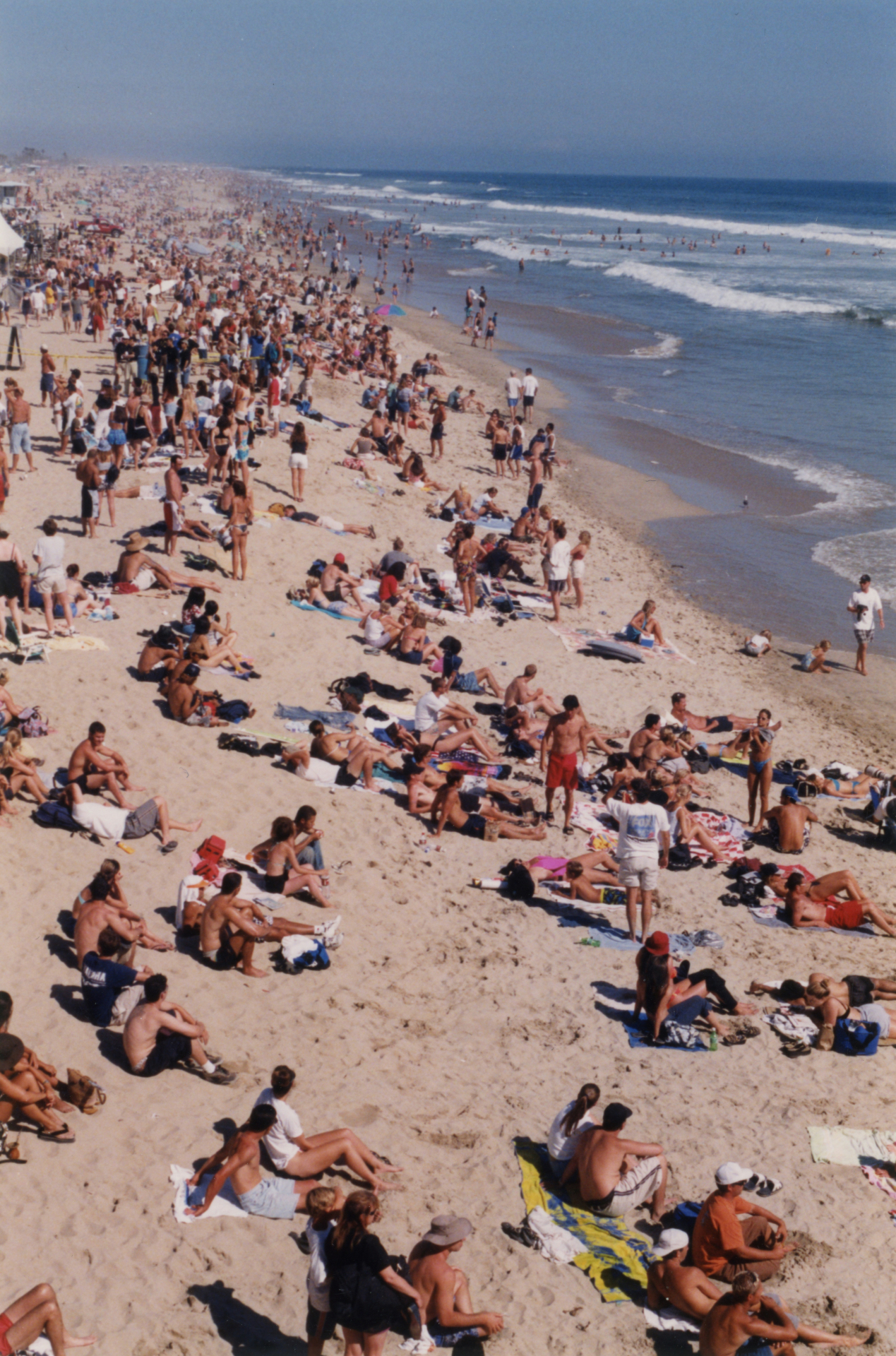
At the same time, high concentrations of visitors and the rapid growth of short-term rentals can fundamentally change neighbourhoods and place additional pressure on communities. Managing successful tourism increasingly means managing its consequences: overcrowding, traffic and waste; alcohol-related behaviour and excessive noise; drugs and public-order concerns; accidents and visitor safety; nightlife and crowd management; pressure on policing and emergency services; and the impact of STR concentration on residential areas and local identity.
The challenge is therefore not simply how many tourists arrive, but how destinations manage tourism once they are there. How do we manage visitor flows and behaviour? How do we manage STR growth? How do we address alcohol, noise, nightlife and drugs? How do we prevent accidents, manage crowds and protect public spaces? And, critically, how do we ensure communities continue to feel that the places in which they live still belong to them?
These pressures become even more serious when combined with disruption. A heatwave during peak occupancy, a major storm, power or water outage, transport failure or safety incident can quickly expose vulnerabilities across hotels, restaurants, airports, ports and entire destinations.
The message is simple:
BE PREPARED.
Bringing together Local Councils, destination authorities, tourism businesses, engineers, facility and operations managers, police, emergency and health services, infrastructure providers, airports, airlines and insurers, the conference asks one fundamental question:
If something happens tomorrow, are we ready?
Preparedness means acting before pressure becomes crisis — managing tourism growth and visitor behaviour, addressing STR concentration, strengthening crowd and nightlife management, protecting communities, planning for changing seasonality and extreme weather, building resilient infrastructure and ensuring tourism businesses have effective continuity plans to protect guests, employees and operations.
FROM CONFERENCE TO ACTION — MED READY
The conference will launch MED READY, an MTF initiative connecting Mediterranean destinations, municipalities, tourism authorities, engineers, security and emergency services, infrastructure operators and the tourism industry to share protocols, technology, training and experience — and build the relationships needed before disruption occurs.
Because the time to exchange telephone numbers, test plans and discover vulnerabilities is not when the destination is already overwhelmed and the lights have gone out.
For: Local Councils • Tourism & Destination Authorities • Hotels & Restaurants • Engineers • Facility & Operations Managers • STR Stakeholders • Police • Civil Protection • Emergency & Health Services • Infrastructure & Utility Providers • Airports • Airlines • Cruise Ports • Marinas • Security Professionals • Insurers • Risk & Business Continuity Professionals

03
AI-Powered Hospitality
People at the Front. AI at the Back.
Hospitality is a people business — and it should remain one. AI offers a chance to redesign the way hotels and restaurants work, giving teams more time and better information to deliver genuinely human experiences.
Hospitality is a people business — and it should remain one.
AI gives the industry an opportunity to reinvent the way it works.
There is a sense of déjà vu. When computers first entered the workplace, businesses initially used them to perform existing manual processes faster. The real transformation came when technology allowed organisations to redesign processes, connect information and work in completely different ways.
AI represents the next level of that transformation.
The opportunity is not simply to add AI tools on top of the way hotels and restaurants operate today — or to computerise inefficient manual processes simply because that is how things have always been done.
The bigger question is:
If we designed the hospitality business again today, how would we do it?
Revenue, finance, procurement, recruitment, training, rostering, energy, food waste, maintenance, reporting and administration can increasingly be rethought around intelligent tools, automation and real-time information.
AI can analyse demand before decisions are made, identify waste before it becomes cost, support managers before problems escalate and remove repetitive administrative work that takes people away from more valuable activities.
The opportunity is therefore to rethink roles, workflows, productivity and the operating model itself — not simply to make yesterday’s processes faster.
But hospitality has one fundamental difference from many other industries:
THE HUMAN EXPERIENCE IS THE PRODUCT.
At the front, the objective should not be fewer people for the sake of technology. It should be the right people, better supported by technology.
Guests still want to be welcomed, understood and cared for. Great hospitality depends on personality, judgement, empathy, creativity and human connection. AI should therefore work increasingly behind the experience, giving front-line teams more time and better information to concentrate on what technology cannot replace.
People at the front. Intelligence built into the business.
The opportunity is significant: better guest experiences, more productive teams, smarter decisions, greater efficiency and stronger profitability.
But reinvention also requires responsibility.
ETHICS AND GOVERNANCE ARE NOT OPTIONAL.
Who controls the AI? What decisions should it make? How is guest and employee data used? Where must human accountability remain? How do businesses protect privacy and prevent bias?
And as hospitality becomes more intelligent and connected:
CYBERSECURITY IS A MUST.
Reservations, payments, guest data, access controls, connected rooms, operational systems and AI platforms all need protection. A cyber incident can quickly become a business-continuity, governance, reputation and guest-trust issue.
The conference brings together hospitality leaders, technology companies, AI specialists, operations, HR, finance, revenue, procurement, cybersecurity, legal experts, academics and investors to move the conversation beyond individual AI applications towards the reinvention of the hospitality business itself.
At its heart is one question:
How do we redesign hospitality around the tools now available while keeping people, service and genuine hospitality firmly at the front?
For: Hotel & Restaurant Owners • General Managers • Hospitality Executives • CFOs • CIOs • HR Leaders • Operations Managers • Revenue Managers • F&B Leaders • Procurement Professionals • AI & Technology Companies • Cybersecurity Professionals • Data & Legal Specialists • Investors • Consultants • Universities
04
The Mediterranean Table
Where Mediterranean Lifestyle, Culture, Experience, Business and Diplomacy Meet
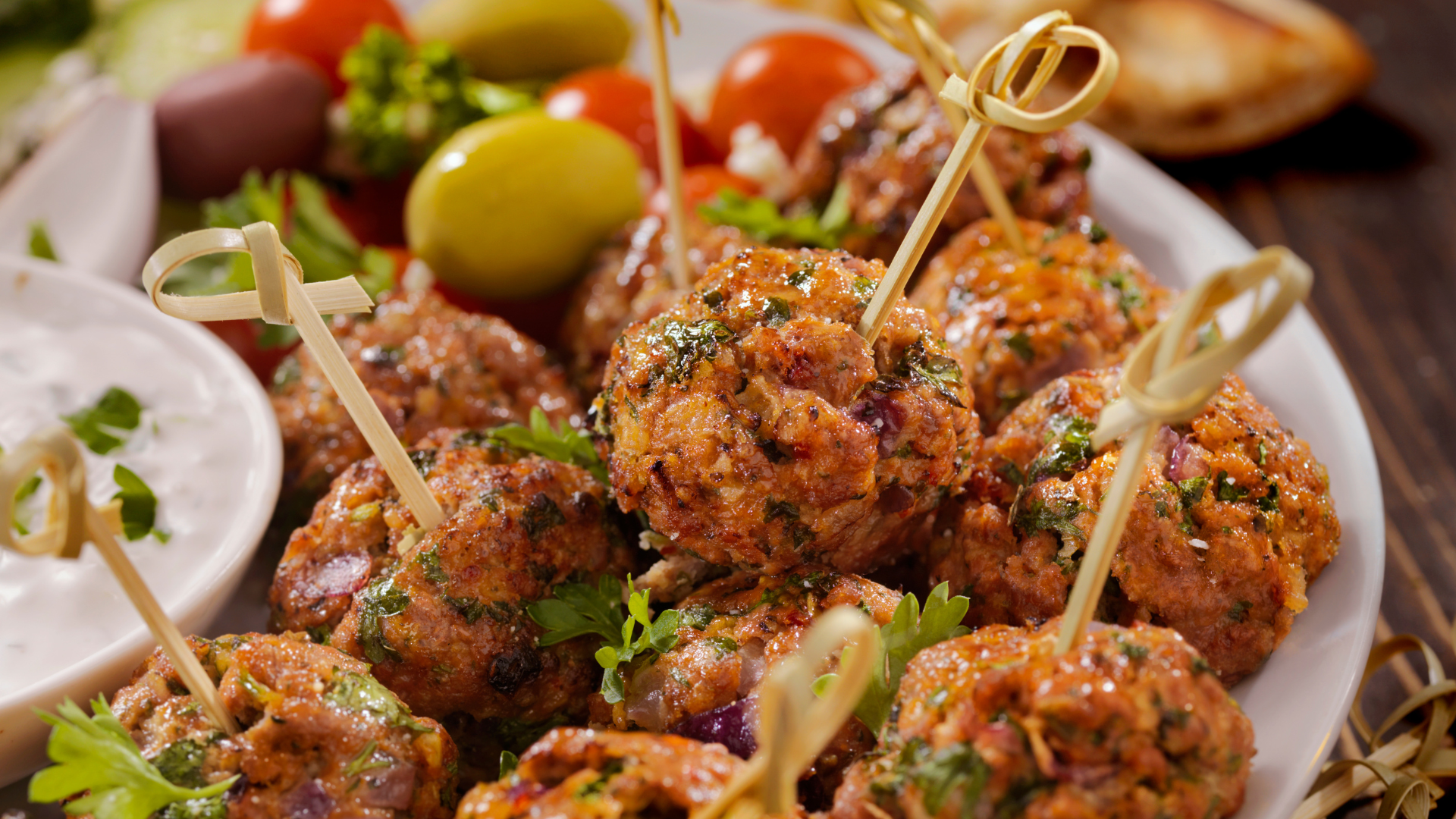
For thousands of years, Mediterranean life has revolved around the table. This conference explores how food, drink and shared traditions become distinctive visitor experiences, stronger brands and international business.
For thousands of years, Mediterranean life has revolved around the table. We eat, drink, meet, celebrate, trade, negotiate and build relationships around it. It is more than cuisine; it is an expression of the Mediterranean lifestyle.
Today, that lifestyle is becoming an increasingly powerful part of tourism. Higher-value travellers are looking for genuine experiences rooted in place — restaurants and cafés, markets and vineyards, olive groves and wineries, local producers, craft breweries and the people and traditions behind them.
The Mediterranean Table explores this complete experience: what we grow, what we cook, what we pour, how we serve, how we gather and how food and drink become experience, identity, brands and business.
For the lifestyle traveller, food itself can be a reason to travel. A memorable restaurant, café, market, vineyard, olive grove or local producer can define how a destination is experienced and remembered.
The conference will journey through distinctive Mediterranean food cultures — the Italian Experience, Greek culinary excellence, Croatian fusion and Malta’s evolving Mediterranean identity — exploring how tradition and innovation can strengthen destination identity and create new tourism and commercial opportunities.
THE LAVAZZA COFFEE EXPERIENCE
At the heart of the conference will be the Lavazza Coffee Experience, bringing coffee to life as ritual, craftsmanship, hospitality, culture, lifestyle and international business.
Through coffee, barista skills and café culture, the experience will demonstrate how a product can become something much greater: a social ritual, a hospitality experience, a powerful brand and part of the lifestyle identity of a place.
Around this centrepiece, the conversation expands across the Mediterranean table.
Olive oil connects land, agriculture, health, cuisine and tradition with provenance, storytelling, branding and international markets. Wine, craft beer and spirits bring craftsmanship, changing consumer tastes, restaurant and bar culture, local identity, entrepreneurship and export opportunities into the conversation.
Together, food, coffee, olive oil, wine, craft beer and spirits tell a wider story about how the Mediterranean eats, drinks, socialises and celebrates — and how that lifestyle can strengthen destinations, create distinctive visitor experiences and generate opportunities for brands, entrepreneurs, producers, exports and investment.
But The Mediterranean Table is about more than what we eat and drink.
It is about etiquette around the table — hospitality, service, conversation and respect.
It is about business around the table — where relationships are formed, trust is built, ideas are exchanged and opportunities begin.
And it is about diplomacy around the table — bringing different countries, cultures and people together through one of the Mediterranean’s oldest shared traditions.
The conference connects chefs, restaurateurs, hoteliers, F&B leaders, producers, coffee professionals, baristas, sommeliers, brands, buyers, exporters, investors, tourism leaders, hospitality schools and diplomats, transforming Mediterranean lifestyle and provenance into stronger visitor experiences and international opportunity.
FROM THE MEDITERRANEAN TABLE TO THE WORLD.
At its heart is one question:
How can we transform the Mediterranean way of eating, drinking, sharing and living into stronger tourism experiences, stronger brands and greater international business?
For: Restaurateurs • Chefs • Hoteliers • F&B Leaders • Coffee Professionals • Baristas • Olive-Oil Producers • Wine Producers & Sommeliers • Craft Beer & Spirits Producers • Food Producers • Exporters & Importers • International Buyers • Brands • Investors • Tourism Authorities • Hospitality Schools • Trade Organisations • Diplomats